

 Trusted by 500+ Global Brands
UI/UX Design Services for High-Converting Digital Products and Seamless User Experiences
Your product’s success depends on how users interact with it. Poor design leads to drop-offs, confusion, and lost revenue. As a trusted UI UX design company, we provide UI/UX design services for SaaS platforms, startups, and enterprise products, focusing on creating clear, intuitive, and conversion-focused experiences that guide users toward action. From user journeys to final interfaces, every design decision is driven by real user behavior, usability insights, and business goals to improve engagement, retention, and overall product performance.

Apps Delivered

Client Retention

Countries
Fill out the form and we'll get back to you within 24 hours


Technologies Powering Our Development Ecosystem

















Design Experiences That Improve Engagement , Retention, and Conversions
UI/UX design directly impacts how users interact, navigate, and convert within your product. Our UI UX design services focus on creating well-structured user experiences that reduce friction, improve usability, and guide users toward key actions. With an approach centered on clarity, speed, and user intent, we ensure every interaction contributes to measurable business outcomes.
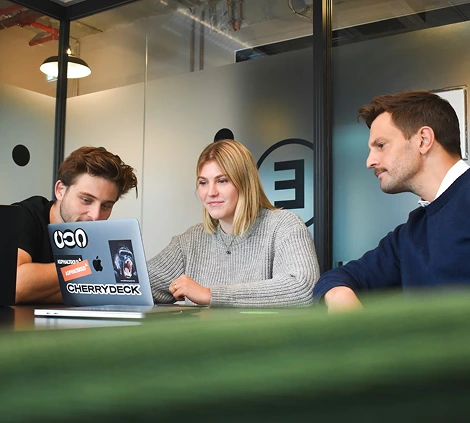
 UI/UX Design Projects Delivered
 User Engagement Improvement
 Conversion Rate Optimization
 User Retention Growth
 Usability Enhancement
 Consistent Cross-Platform Experience
Design Interfaces That Convert,
Retain, and Scale
Turn your product into a seamless, user-focused experience that drives real business results.
Addressing Key Product Experience
Gaps Through UI/UX Design Services
Many digital products fail to perform due to poor usability, unclear navigation, and inconsistent user journeys. These issues lead to drop-offs, low engagement, and missed conversions. As a trusted UI UX design company, we solve these challenges by creating structured, user-focused experiences that improve clarity, efficiency, and overall product performance.
Users struggle to navigate the product due to unclear flows, poor information hierarchy, and lack of guidance, leading to frustration and early exits.
User-Centric Journey Mapping & UX Architecture
We design structured user flows that guide users step-by-step toward key actions.
Business Impact
Higher task completion rates, reduced user confusion, and improved engagement across core journeys.
Users visit the product but fail to take action due to weak CTAs, cluttered layouts, or a lack of visual focus on key actions.
Conversion-Focused UI Design
We design interfaces that guide users toward conversions through clarity and visual hierarchy.
Business Impact
Improved conversion rates, higher sign-ups, and increased revenue from existing traffic.
Users abandon the product during onboarding or key interactions due to complexity or poor usability.
Frictionless Onboarding & Interaction Design
We simplify onboarding and reduce the effort required to complete actions within the product.
Business Impact
Lower drop-offs, better first-time user experience, and improved retention, with proven results such as reducing onboarding drop-off by 32%.
Inconsistent UI across devices creates confusion and reduces trust in the product experience.
Design System & Cross-Platform Consistency
We create scalable design systems that ensure uniform experiences across platforms.
Business Impact
Stronger brand consistency, improved usability, and seamless cross-device experiences.
Products fail to meet accessibility standards, limiting usability for a wider audience and impacting overall experience quality.
Accessible & Inclusive Design Practices
As a user-focused UI UX design company, we design experiences that are easy to use for all users, including those with accessibility needs, ensuring inclusive, intuitive, and standards-compliant digital products.
Business Impact
Wider user reach, improved usability, and compliance with accessibility standards.
Custom UI/UX Design Services for
Scalable Digital Products
We design user experiences that solve real product challenges and drive measurable outcomes. Each service is aligned with your product goals to improve engagement, reduce drop-offs, and support long-term scalability.
UX Research & Product Discovery Workshop
We start with deep UX Research and a structured product discovery workshop to understand user behavior, business goals, and product gaps. This ensures design decisions are backed by real insights, reducing risks and improving product-market fit from the start.
Wireframing Services
Our wireframing services define the structure and flow of your product before visual design begins. We map user journeys, interactions, and layouts to ensure a clear and frictionless experience across key user actions.
UI Design Systems
We build consistent and scalable UI Design Systems that maintain design uniformity across your product. This helps teams scale faster, ensures consistency across platforms, and improves overall development efficiency.
UX Design for Mobile Apps & Web Platforms
We create optimized experiences with UX Design for Mobile Apps and responsive web interfaces. Each design is tailored for device-specific behavior, ensuring smooth navigation, fast interactions, and better usability.
Rapid Prototyping & MVP Design
Using Rapid Prototyping, we transform ideas into interactive designs for early validation. This approach supports MVP Development by testing user flows, gathering feedback, and refining the product before full-scale development.
UX Audit & Redesign Services
We analyze existing products through UX Audit & Redesign to identify usability gaps and improvement areas. This helps enhance user experience, reduce drop-offs, and align the product with evolving user expectations and business goals.
User-Centric, Scalable, and
Consistent Design Systems
Our UI UX design services help your product scale while maintaining consistency, usability, and clarity across every interaction. We build design systems that ensure uniform experiences, structured workflows, and long-term scalability across platforms. This approach enables teams to design faster, maintain consistency, and deliver seamless user experiences as the product evolves.

Design Consistency and System Governance
We create structured UI Design Systems that standardize components, layouts, and interaction patterns across your product. This ensures every screen follows a consistent design language, reducing confusion and improving usability. Design guidelines and reusable components help maintain quality as your product scales.

Scalable and Flexible Design Architecture
Our design systems are built to support Product Scaling & Optimization without compromising user experience. We ensure designs adapt to new features, modules, and platforms while maintaining clarity and performance. This allows your product to grow without redesigning core experiences.

User-Centric and Accessible Design Approach
We focus on usability and accessibility to ensure your product works for a wide range of users. Through UX Research and usability testing, we design interfaces that are easy to navigate, inclusive, and aligned with real user behavior, improving overall experience quality and engagement.
Design Compliance, Accessibility,
and Usability Standards
UI/UX design must meet global accessibility, usability, and platform standards to ensure your product is inclusive, compliant, and easy to use. As a trusted product design agency, we create experiences that align with established guidelines, improve accessibility for all users, and maintain consistency across devices and platforms while reducing usability risks.
Why Product Teams Choose
RipenApps as a UI UX Design Agency
Your product experience defines how users engage, convert, and stay. We focus on structured design, usability clarity, and measurable outcomes that typical agencies often miss.
Design Interfaces That Convert, Retain, and Scale
Turn your product into a seamless, user-focused experience that drives real business results.
Start Your UI/UX Design Consultation TodayOur Structured Approach to UI/UX Design and Product Experience
As a trusted product design company, we follow a clear and structured UI/UX process to ensure your product is easy to use, aligned with user needs, and built for measurable outcomes. Our approach focuses on reducing design risks, improving usability, and creating scalable experiences across platforms. A typical engagement timeline is 4–8 weeks, depending on your product complexity, project scope, and the depth of research required.
Product Discovery & UX Research
Information Architecture & User Flow Design
Wireframing & Experience Structuring
UI Design & Design System Creation
Rapid Prototyping & Usability Testing
Design Handoff & Development Support
UX Audit & Continuous Optimization
Product Discovery & UX Research
We begin with UX Research and a structured Product Discovery Workshop to understand user behavior, business goals, and product challenges.


 Sub-Processes
- User behavior and requirement analysis
- Stakeholder and product goal alignment
- Competitor experience benchmarking
- User persona and journey mapping
- Usability gap identification
 Deliverables & Outcomes
- User personas and journey maps
- UX strategy and design direction
- Feature and flow prioritization
- Research-backed design decisions
Information Architecture & User Flow Design
We define the structure of your product and map clear user flows to ensure smooth navigation and task completion.
Sub-Processes
- Content and feature structuring
- Navigation and flow mapping
- Information hierarchy design
- Interaction flow optimization
Deliverables & Outcomes
- Clear product architecture
- Defined user journeys
- Optimized navigation structure
- Reduced user friction
Wireframing & Experience Structuring
Using Wireframing Services, we create low-fidelity layouts to define screen structure and user interactions before visual design.
Sub-Processes
- Low-fidelity wireframe creation
- Layout and interaction planning
- Usability-focused screen design
- Feedback and iteration cycles
Deliverables & Outcomes
- Clickable wireframes
- Validated user flows
- Early usability testing insights
- Reduced design rework
UI Design & Design System Creation
We design high-fidelity interfaces and build scalable UI Design Systems for consistency across the product.
Sub-Processes
- Visual design and branding alignment
- Component and style guide creation
- Responsive UI design
- Interaction and micro-interaction design
Deliverables & Outcomes
- High-fidelity UI screens
- Design system and component library
- Consistent cross-platform design
- Developer-ready design assets
Rapid Prototyping & Usability Testing
We use Rapid Prototyping to create interactive designs and validate user experience before development.
Sub-Processes
- Interactive prototype creation
- Usability testing with real users
- Feedback collection and analysis
- Iterative design improvements
Deliverables & Outcomes
- Tested and validated prototypes
- Improved usability and flow clarity
- Reduced risk of user drop-offs
- Data-driven design refinements
Design Handoff & Development Support
We ensure a smooth transition from design to development with clear documentation and collaboration.
Sub-Processes
- Design documentation and specifications
- Asset and component handoff
- Developer collaboration and support
- Design validation during development
Deliverables & Outcomes
- Developer-ready design files
- Faster implementation cycles
- Reduced miscommunication
- Consistent design execution
UX Audit & Continuous Optimization
Post-launch, we improve product performance through UX Audit & Redesign and ongoing optimization.
Sub-Processes
- User behavior tracking and analysis
- Usability issue identification
- Conversion and engagement optimization
- Continuous design improvements
Deliverables & Outcomes
- Improved user engagement
- Reduced drop-offs and friction
- Better conversion rates
- Scalable and optimized product experience
UI/UX Design Solutions Across High-Impact Industries
Effective UI/UX design delivers value when aligned with real user behavior and product goals. Our product design services create industry-specific experiences that improve usability, guide user actions, and increase engagement across digital platforms.
 Healthcare Platforms
FinTech Platforms
E-commerce & Retail Platforms
EdTech Platforms
Logistics & Supply Chain Platforms
Real Estate Platforms
SaaS Platforms
Travel & Hospitality Platforms
Media & Entertainment Platforms
Healthcare Platforms
FinTech Platforms
E-commerce & Retail Platforms
EdTech Platforms
Logistics & Supply Chain Platforms
Real Estate Platforms
SaaS Platforms
Travel & Hospitality Platforms
Media & Entertainment Platforms
Healthcare Platforms
UI/UX design in Healthcare focuses on clarity, accessibility, and ease of use for both patients and providers. We enhance usability through UX Audit & Redesign to improve critical healthcare interactions and reduce errors.
- Easy appointment booking and scheduling
- Patient-friendly health record access
- Clear navigation for treatment workflows
- Accessible and inclusive UI patterns
FinTech Platforms
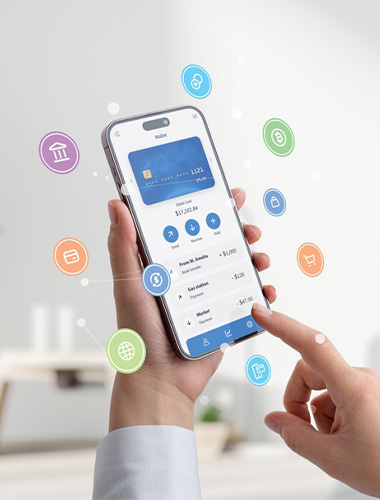
UI/UX design in FinTech focuses on simplifying complex financial workflows while maintaining trust and clarity. We apply UX Research and structured flows to improve usability in data-heavy environments and support better financial decision-making.
- Simplified dashboards for financial insights
- Clear transaction and payment flows
- Secure and intuitive onboarding journeys
- Data visualization for better decision-making
E-commerce & Retail Platforms
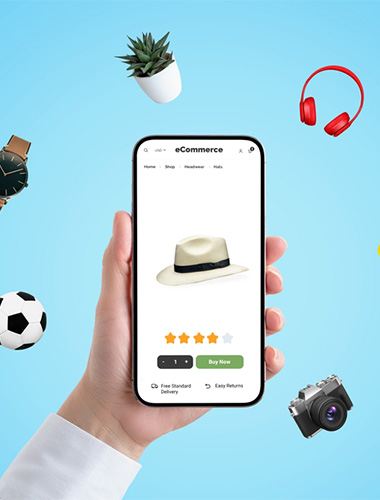
UI/UX design in E-commerce focuses on improving product discovery and driving conversions through seamless shopping journeys. Our approach aligns with Product Development and Recommendation Systems to enhance personalization and engagement.
- Optimized product browsing and filtering
- Frictionless checkout experiences
- Personalized shopping journeys
- Clear navigation and search usability
EdTech Platforms
UI/UX design in EdTech focuses on structured and engaging learning experiences for better knowledge retention. We leverage Rapid Prototyping to validate user journeys and improve interaction design early in the process.
- Intuitive course and content navigation
- Interactive learning interfaces
- Progress tracking and feedback systems
- Simplified user flows for learners

Logistics & Supply Chain Platforms
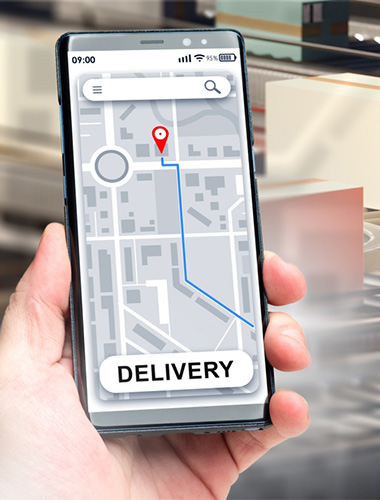
UI/UX design in Logistics focuses on improving operational clarity and workflow efficiency. We apply Product Scaling & Optimization to simplify complex data and system interactions.
- Simplified route and delivery dashboards
- Real-time tracking interfaces
- Inventory and operations visibility
- Data-driven workflow optimization
Real Estate Platforms
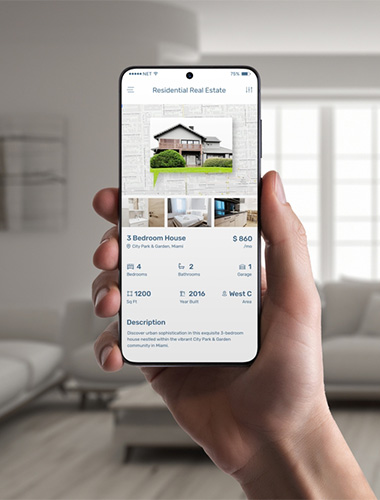
UI/UX design in Real Estate focuses on simplifying property discovery and improving user decision-making. We support platforms from Startup Product Development to scaling stages with intuitive interfaces.
- Property listing and filtering experiences
- Location-based navigation flows
- Visual-first property exploration
- Simplified inquiry and booking flows
SaaS Platforms
UI/UX design in SaaS focuses on scalability, consistency, and ease of use across complex workflows. We use Wireframing Services and UI Design Systems to improve onboarding and feature adoption.
- User-focused onboarding flows
- Feature discovery and usage guidance
- Scalable dashboard and workflow design
- Consistent UI across modules

Travel & Hospitality Platforms
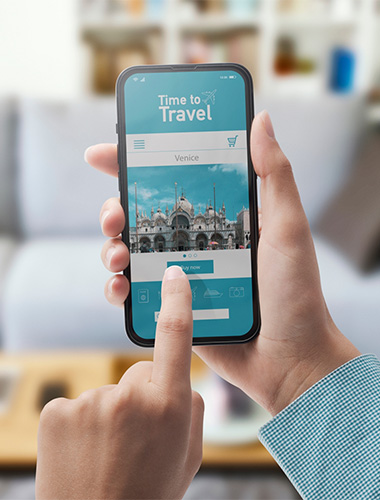
UI/UX design in Travel platforms focuses on reducing friction in booking and trip planning experiences. We design user journeys that simplify decision-making and improve mobile usability.
- Easy search and booking flows
- Clear itinerary and package layouts
- Personalized user journeys
- Mobile-first design for on-the-go users
Media & Entertainment Platforms
UI/UX design in Media & Entertainment focuses on improving content discovery and user engagement. We integrate Generative AI Integrations to enhance personalized content experiences.
- Content discovery and navigation flows
- Personalized content layouts
- Seamless media playback experiences
- Engagement-focused UI patterns

Tools and Technologies We Use
for UI/UX Design
Great design depends on the right tools to create, test, and scale user experiences efficiently. Our UI/UX design stack supports everything from UX Research and Wireframing Services to high-fidelity design systems and real-time collaboration. This ensures faster iterations, better design consistency, and smooth handoff to development teams.
 Hotjar
.svg) Google Analytics
Google Analytics
 Maze
Maze
 Optimal Workshop
 Figma
Figma
 Adobe XD
 Balsamiq
 Axure RP
 Sketch
 Adobe Photoshop
 Adobe Illustrator
 FullStory
 Crazy Egg
 Lookback
 UsabilityHub
 Zeplin
 Figma Dev Mode
 InVision
Abstract.svg
InVision
Abstract.svg
 Storybook
 Zeroheight
 Notion
 Jira
Jira
 HTML5
CSS3
HTML5
CSS3
.svg) JavaScript
JavaScript
 React
React
Hungama
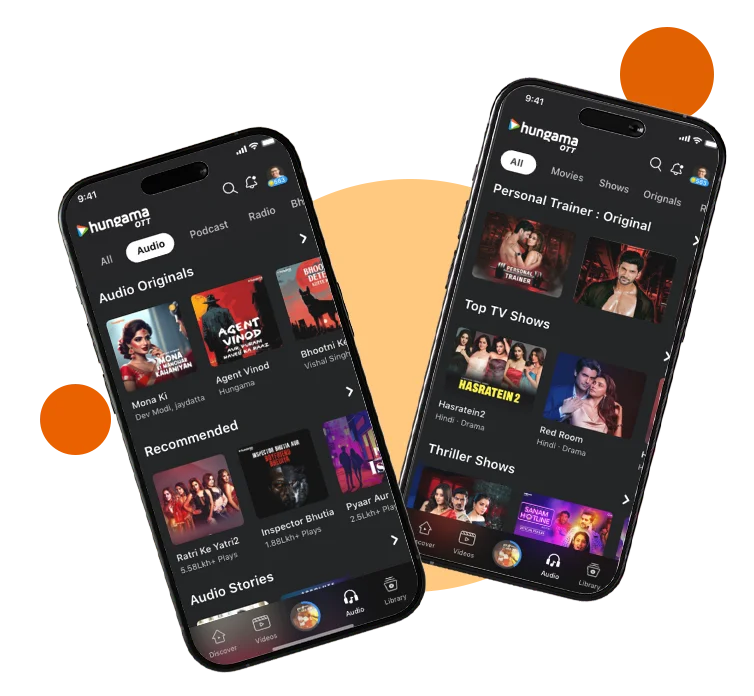
We engineered a high-performance, unified digital ecosystem for Hungama, integrating a massive library of 30M+ songs, 8,000+ movies, and exclusive originals into a single, seamless interface. By deploying an AI-driven recommendation engine and adaptive bitrate streaming (ABR), we ensured buffer-free playback and personalized content discovery for over 50 million monthly active users.

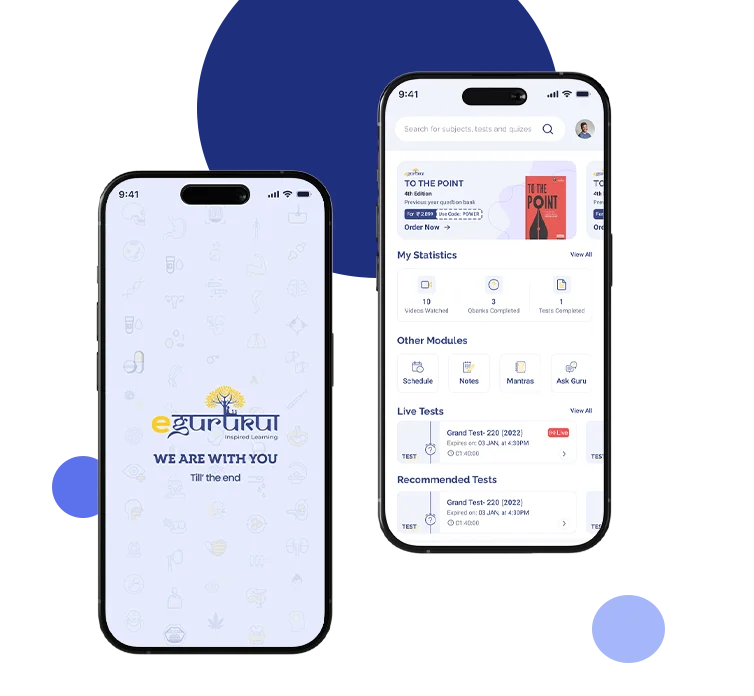
eGurukul
eGurukul is a premier EdTech ecosystem engineered to provide a learning experience for 5 lakh+ students preparing for elite exams like NEET-PG, INI-CET, and FMGE. The platform serves as a comprehensive "Digital Institution," offering 1,000+ hours of clinically integrated video lectures, a massive bank of 35,000+ syllabus-aligned MCQs, and real-time community engagement tools.

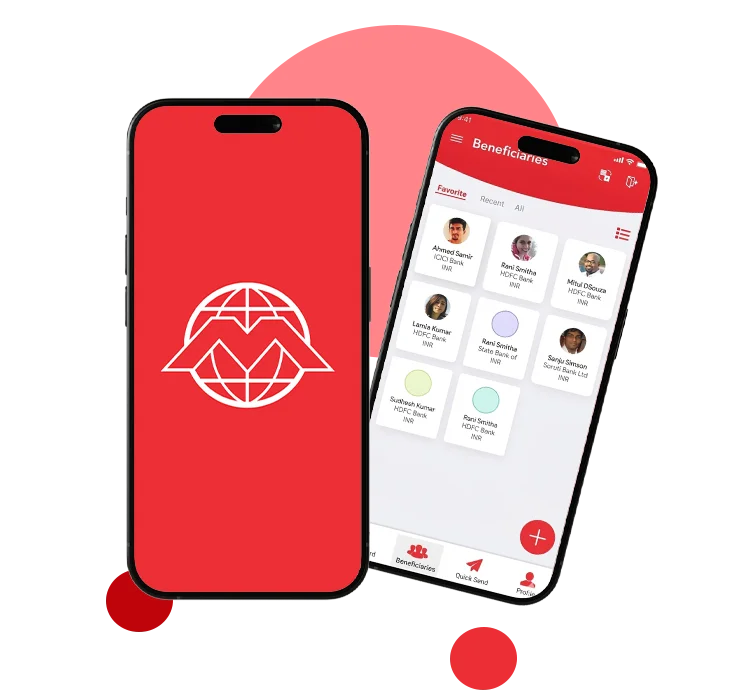
Al Muzaini
We engineered a high-concurrency FinTech platform for Kuwait’s leading exchange, A Muzaini, integrating 3-factor biometric authentication and AI-powered KYC for instant onboarding. By synchronizing high-speed APIs with Western Union, the ecosystem facilitates 24/7 real-time transfers across 200+ countries for 100,000+ users, ensuring 100% financial compliance and native-grade fluidity.

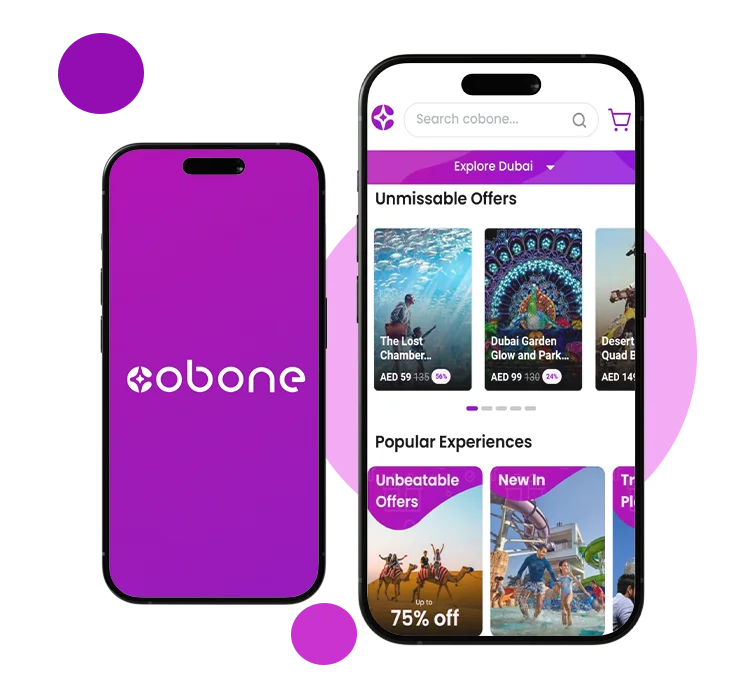
Cobone
We engineered a high-velocity retail platform for Cobone, utilizing a unified React Native architecture to achieve 100% logic parity. The ecosystem integrates a geo-fencing API for real-time discovery across 20+ categories, serving 4 million+ users with secure, multi-currency payment gateways. This digital asset empowers users to access lifestyle experiences with native-grade fluidity and enterprise-level transaction security.

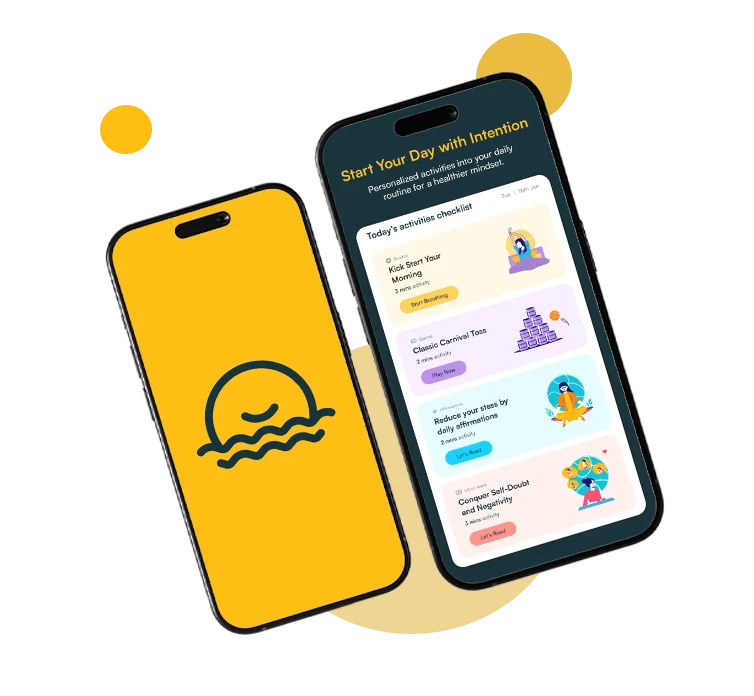
Mind Alcove
We engineered Mind Alcove as a secure, biometric-locked digital sanctuary that synchronizes multi-format journaling with a real-time "Mood-o-meter" tracking engine. Our scalable architecture facilitates a moderated, anonymous community, ensuring 100% data privacy. By integrating evidence-based mindfulness tools into a high-velocity mobile interface, we transformed a personal journaling concept into a robust, community-driven mental health asset.


"We chose RipenApps to modernize our enterprise remittance platform from start to finish. Their team’s financial expertise and commitment to security were world-class from the very first call. They were always responsive to our complex requirements, delivering a final FinTech product that significantly exceeded our expectations for Kuwait’s market."

"We partnered with RipenApps to architect our MENA retail ecosystem from start to finish. We were very impressed with their technical professionalism and ability to handle massive traffic spikes. Their team delivered a top-notch cross-platform product that exceeded our expectations, driving higher conversion rates and seamless user engagement."

"Mind Alcove requires absolute trust, and RipenApps delivered a biometric-secured environment that balances deep emotional analytics with total anonymity. Their ability to turn complex sentiment analysis into an intuitive UI allows us to foster a supportive community. They are an essential partner for any high-fidelity mental wellness asset."

"Scaling a platform for 50M+ users requires an engineering partner with deep expertise in concurrency. RipenApps optimized our massive content library into a high-velocity streaming experience that feels native across every device. Their work on adaptive bitrate logic was a critical driver for our sustained long-term user retention."

"Transitioning our 25-year medical coaching legacy into a global EdTech leader was a massive undertaking. RipenApps built a digital institution for our 4.8L students, flawlessly integrating high-security video modules and real-time mock tests. We finally have a robust, scalable platform that matches the elite quality of our coaching."
Flexible Engagement Models
for UI/UX Design Services
Every product has different design needs based on its stage, complexity, and goals. As a UI UX design agency, we offer flexible engagement models to help you get the right level of design support, whether you are building from scratch or improving an existing experience.

Dedicated UI/UX Design Team
Get a focused team working exclusively on your product experience. This model suits businesses that need continuous design support, faster iterations, and close collaboration with internal teams to improve product usability and consistency.

Project-Based UI/UX Engagement
Ideal for specific design needs such as new product design, redesign, or feature-level improvements. We define clear scope, timelines, and deliverables to ensure structured execution and predictable outcomes.

On-Demand Design Support
Access UI/UX expertise as needed without long-term commitment. This model works well for quick design fixes, usability improvements, or ongoing enhancements based on user feedback and product updates.
Awards & recognitions
Recognized by world-class brands as a purpose-driven digital tech partner.





Frequently Asked
Questions
Find answers to common questions about our UI-UX design services.
Didn't Find What You Were Looking For?
Share your requirements with our experts and get tailored solutions for your business needs.
Talk to an ExpertUI/UX Design Services cover the complete design process, including UX Research, user journey mapping, wireframing, UI design, prototyping, and usability testing. These services focus on improving user experience, increasing conversions, and creating consistent product interfaces.
UI/UX design costs for our UI UX design services depend on project scope, product complexity, and research depth. Basic design projects start lower, while end-to-end UX strategy, testing, and design systems require higher investment for long-term product success.
UX success is measured through key metrics like user engagement, conversion rates, bounce rate, and session duration. We also track usability improvements and task completion rates to ensure the design delivers clear business outcomes.
As a UI UX design agency, we use wireframing services to help define the structure and flow of a product before visual design begins. This ensures clarity in navigation, reduces design errors, and creates a strong foundation for user experience.
Yes, we provide UX Design for Mobile Apps and responsive web platforms. Each design is optimized for device-specific behavior to ensure smooth interactions and a consistent user experience across all platforms.
Yes, as a UI UX design agency, we analyze your current product through UX Audit & Redesign, identify usability gaps, and improve user flows, interface design, and overall experience to increase engagement and conversions.
UI/UX design plays a key role in MVP Development and Startup Product Development by validating ideas early, defining clear user journeys, and ensuring the product meets user expectations before scaling.
RipenApps focuses on user-centric design, structured UX processes, and outcome-driven execution. Our approach combines UX Research, scalable UI Design Systems, and continuous optimization to deliver measurable product impact.
UI Design Systems ensure consistency across screens and features, making it easier to scale products without redesigning core components. They also help teams stay aligned with evolving UI design trends, ensuring the product remains relevant while maintaining a unified and consistent user experience.
The timeline depends on product complexity, features, and overall scope. A typical UI/UX design process, including research, wireframing, UI design, and testing, takes a few weeks to a couple of months. The choice of UI UX designing tools and collaboration workflows also influences the speed and efficiency of each stage.
Discuss your project and
request for proposal
Whether you have a spark of an idea or a fully fleshed-out concept, our team is ready to help you bring it to life. Get in touch with us today.
India
H-143, 2nd Floor, H Block, Sector 63, Noida, Uttar Pradesh 201309

United States
3410 E Ontario Ranch Rd Ste 4 #1023 Ontario, CA 91761 United States

Canada
350 Bay St, Toronto, ON M5H 2S6 Canada

UK
Rainsford Rd, Park Royal, NW10 7FW London, United Kingdom

UAE
302, Fikree Building Bur Dubai 31219 (Near UK Embassy), UAE

Australia
Gateway Blvd, Epping VIC 3076 Melbourne, Victoria, Australia
